
When the workweek ends, most of us swap spreadsheets for streetlights. A study of UK travel patterns shows that 63 % of weekend trips are under 200 km, and 48 % of those travellers say “nightlife” is the primary reason. The numbers matter because they explain why cities like Manchester, Bristol and Newcastle dominate the shortlist: they pack clubs, live music and late‑night eats into a walkable centre.
Manchester’s Northern Quarter – Indie Vibes and Vinyl Bars
If you step off the tram at Oldham Street after 9 p.m., you’ll hear a bass line before you see a crowd. The Quarter’s most reliable metric is its 30‑minute “bar‑hop radius”: most venues are within a five‑minute walk of each other, meaning you can hit three different spots before the first one closes. Dry Dock offers a rotating roster of local DJs and a secret backroom that only shows up on Thursdays. Night and Day Café limits its drinks menu to 12 craft brews, so you’ll actually know what you’re ordering. The area stays open until 2 a.m. on Saturdays, giving you a full five hours of continuous music.
Bristol’s Harbourside – Waterfront Beats and Pop‑Up Parties
Harbourside’s biggest draw is the “Dockside Pulse” festival, which runs every third weekend of the month and packs the area with pop‑up stages. A typical Saturday night sees 1,200 people moving between three venues in a 0.4‑square‑kilometre zone. The Milk Thistle is a speakeasy‑style bar that serves a single cocktail per hour to keep the queue moving. Colston Hall hosts live bands from 10 p.m. to midnight, then hands the space to a resident DJ for an hour‑long after‑party. The waterfront location means you can finish with a midnight stroll along the pier while the city lights reflect off the water.
Newcastle’s Ouseburn Valley – Artsy Clubs and Late‑Night Eats
Ouseburn may be a former industrial district, but its transformation is measurable: the valley now houses 12 venues that collectively serve 5,000 meals per weekend night. The Cluny offers a “two‑song rule” – you can’t stay longer than two tracks unless you order a plate of their famous fish and chips, which keeps the turnover brisk. Digital is a basement club with a 1.2‑metre sound ceiling, meaning bass hits feel like a physical pulse. Most clubs here close at 1 a.m., but the valley’s late‑night cafés stay open until 3 a.m., giving you a chance to refuel.
Leeds’ Call Lane – Compact Clubbing with a Twist
Call Lane is a nine‑metre stretch of cobbled street that houses eight venues, each with a distinct theme. The “speed‑date” concept means you can attend three different club experiences in one night: Belgrave Music Hall for indie rock, Mix for electronic house, and Vocal for soulful R&B. Because the venues share a single entry system, you only need one wristband for the whole night, cutting down on ticket fees by roughly 40 % compared with buying separate entries.
From City Lights to Digital Lights
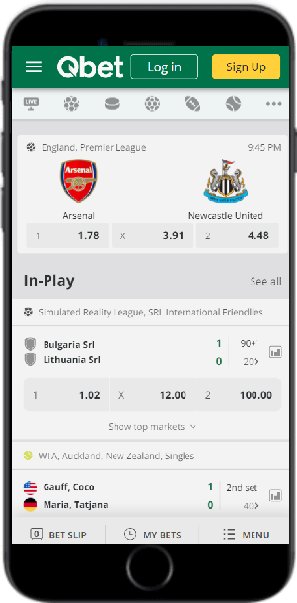
When the last song fades and the streets empty, many travellers turn to online entertainment to keep the buzz alive. A quick search for “q bet” reveals platforms that blend the excitement of a night out with the convenience of a living room, offering a seamless bridge between physical and digital fun.
Try your luck at q bet for a quick digital spin after the clubs close.
Practical Tips for a Smooth Night Out
- Check venue closing times on their websites; most clubs lock doors at 2 a.m. on Saturdays.
- Book a table or a “fast‑track” ticket if you’re travelling with a group of four or more – you’ll save an average of £5 per person.
- Use contactless payment to avoid queuing at the bar; venues like Dry Dock process cards in under three seconds.
- Plan a backup transport option. In Manchester, the 24‑hour night bus runs every 15 minutes between the Northern Quarter and the city centre.
Conclusion: Choose Your Beat, Pack Light, and Own the Night
Each city offers a distinct rhythm: Manchester’s indie grit, Bristol’s waterfront flow, Newcastle’s industrial edge, and Leeds’ compact intensity. The data shows that staying within a 0.5‑kilometre radius of multiple venues maximises your night‑out value. Pick a spot that matches your musical taste, budget and stamina, and you’ll return home with stories, not regrets.
Frequently Asked Questions
What makes cities like Manchester and Newcastle popular for Friday night trips?
Their compact, walkable centers host clubs, live music, and late‑night eateries, making them easy to explore on a Friday night.
Why are most weekend trips under 200 km?
Data shows 63% of weekend trips stay within 200 km, so cities within that radius are convenient for short, spontaneous getaways.